
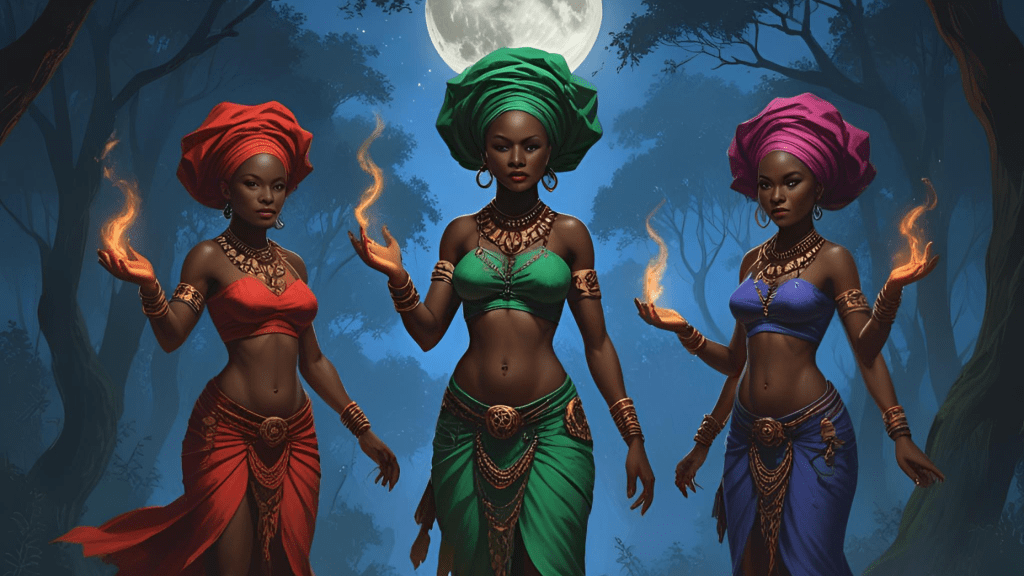
We have a sort-of running joke in Yoruba. I’m not sure how popular it is. And to be frank, it is hardly a joke, but more like a defiant comeback for a slur that women have had to endure over the years.
Imagine this:
A pained man, at a loss for words, hurls an insult at a woman: “Àjẹ́ ni ẹ́!” (You are a witch!)
The woman, refusing to absorb his impotent strike, throws it back at him: “Bíi tí bí mo ṣe pa ẹ́ láya àbí ọmọ jẹ kọ́?” (Just like I killed your wife or child, no?)
Over time, I imagine that in response to the proverb, “Tí obìnrin bá pẹ́ nílẹ́, àjẹ́ ní ń dà,” women have learned to make lemonade from this bitter harvest, preparing a ready-made identity speech: “Kò sí obìnrin tí a pè tí kò níí jẹ́.” (There is no woman who does not respond when she is called.)
At a glance, it’s wordplay. But I also see surrender—the refusal to keep wrestling with a sociocultural maligning of Woman. At least, that’s how it strikes me for now. I stand corrected.
I promised that the writings in this Archive would be either research-based or personal reflections. This one is both—a fusion of scholarship and lived experience. But before we plunge into deep waters, I’ll start with the foundations, then layer on the blocks.
My Initiation into Yoruba Feminism
In December 2024, I began to feel a (renewed) pull towards Yoruba Feminism. It felt impulsive, almost out of character, because for context, I have never identified as a feminist. Let’s leave it at that. So, naturally, I was curious about which part of my work on Language was calling out to Yoruba Feminism. Over time, I began to connect the dots. That’s a thread for another day.
So yes, I began to follow this map into “uncharted waters,” often asking myself, “Are you sure about this?” My first stop was the Yoruba Divine Feminine Archetypes. Deep down, I’ve always known Woman is more than breasts and hips. More than womb and nurturing. When I say ‘Woman’, I mean the “SHE IS” in every woman—the Mother Goddess.
Ìbà Yèyé!
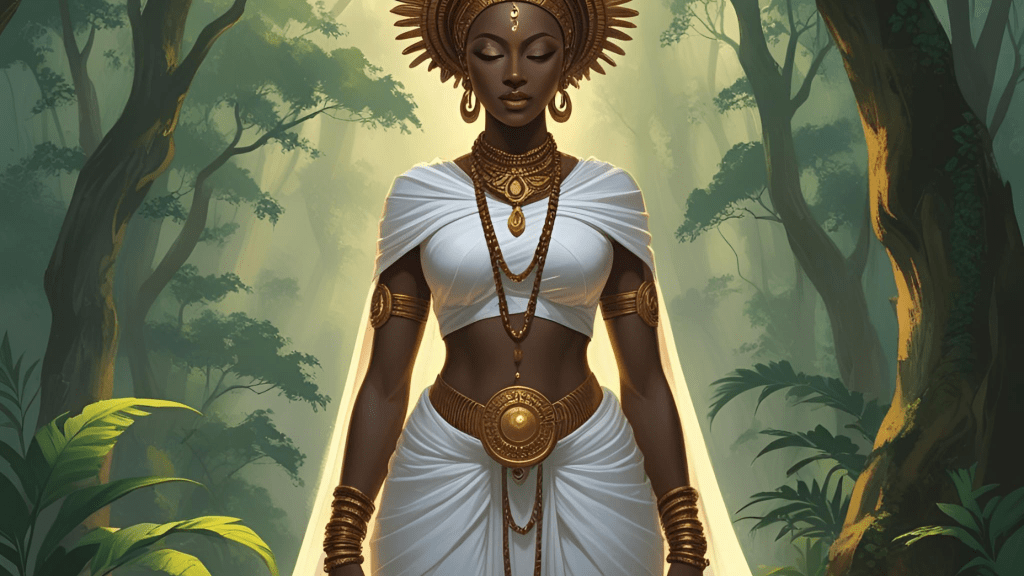
This exploration pulled me toward my paternal ancestral deity, Òrìṣà Àrán—the reason I am not only Ọmọ Ọwá, Ọmọ Ẹkùn, but also Ọmọ Aláràn-án Òjíjí. Èmi ọmọ Olúgbogí Àrán! Òrìṣà Àrán was served by a priestess called ÈyélÁràn. A masculine deity, yet one whose worship was led by a woman chosen by Àrán himself. Why? That question lit a fire.
My mind, once given an inch, took a mile. It suggested: “Let’s explore Yoruba Divine Feminine Archetypes more broadly.” And I agreed.
Osun: A Yoruba Divine Feminine Archetype
I remembered an interview I had in 2022 with an Ifa priest when I was researching the history of menstruation. He told the story of how Yèyé Ọ̀ṣun (Oore Yèyé ò!) was sidelined by the male Òrìṣa when they came to populate the Earth.
Osun, displeased but not throwing tantrums, quietly saw to it that nothing the men did succeeded. Their failure drove them straight to Olodumare, blind to the obvious. And Olodumare rebuked them: “How dare you sideline the woman I sent with you? Return. Include her. Honour her. Ẹ fi tiẹ̀ ṣe.“
Gracious Goddess!
The story jolted me and transitioned my thoughts: What kind of power does Woman hold that the very success of creation depended on including one woman among many men?
Who is Woman?
These question are now the basis of my exploration.
The Cultural Reverence for Women: ‘Ẹ̀yin Ìyá a Wa’
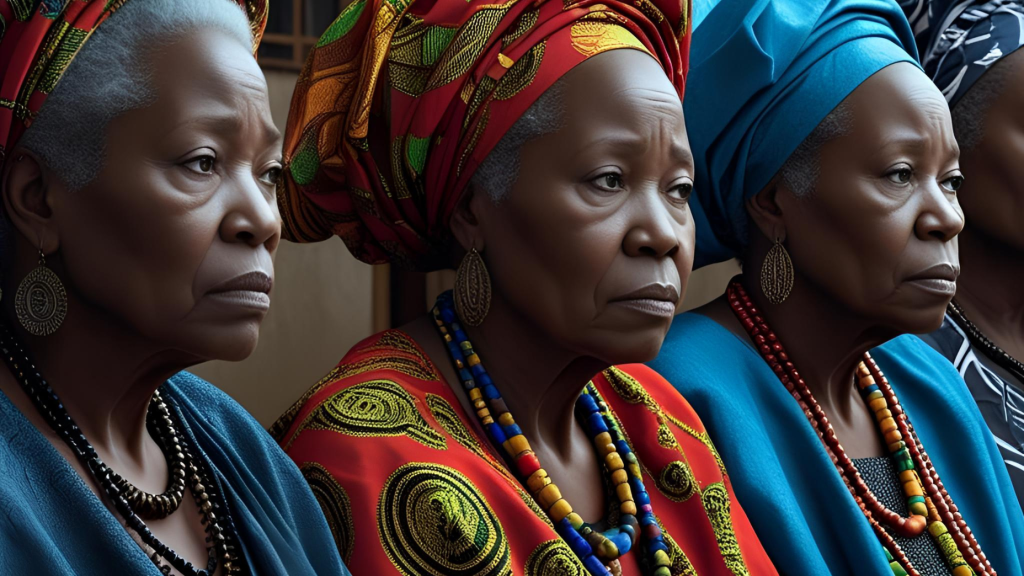
My memory reached back to childhood, to when older men would refer to women as Ìyá Wa. They would say things like: “Ẹ̀yin ni ìyá a wa; ẹ̀yin náà ni ẹ dẹ̀jẹ̀ lé wa lórí. A ò gbọ́dọ̀ ṣẹ̀ yín.” (You are our mothers. You also shed your life-blood on us when we were entering this world. We must not wrong you.)
Doesn’t that give you goosebumps? For me, it was a revelation. Women have been sleeping on a gold mine.
Now, let’s take that phrase, Ìyá a Wa.
Hàà! Tótó ẹ̀yín Ìyá. Àkíìkà, tótó fùn-ún! Mo ṣèbà ẹ̀yin Ìyà Mi o! Ẹ gbà mí gẹ́gẹ́ bí Ọmọ yín o. Kí èyí má ṣe hun mí.
The trail from Ìyá Wa landed me at the concept of Àjẹ́. For this piece, I’ll annotate once: they are often translated as “witches” in English. But no, Àwọn Ìyà Mi are not witches. They are more. They are power. Therefore, I will only refer to them as Àwọn Ìyà Mi or Àjẹ́.
This is the point at which my writing will now draw from my research although it has only just begun. And only my Orí knows why it spurred me into writing this piece tonight (it’s 18/08/2025, and I started writing this at a little past seven pm). I confess: I am still half-baked in this matter. Orí gbè mí!
Àwọn Ìyà Mi are a one-of-a-kind breed. I revere Yèyé Ọ̀ṣun because I draw my spiritual essence from her, and you have seen how powerful she is from the abridged story above. But Àwọn Ìyà Mi? They had my hat off. I doffed it.
According to Chief Elebuibon in Invisible Powers of the Metaphysical World, when Olodumare sent humans (ènìyàn) and terrestrial beings (eníyán) to Ìsálú Ayé (Earth), humans received the power to fulfil their earthly desires. Àwọn Ìyà Mi, however, received power to do good and evil—autonomous power to do and undo, literally!
Tótó, ẹ̀yin Ìyà Mi o! Tótó ìbà! Àkíìkà!
Why did Olodumare trust them with such power? And why, even after they began to wield the evil arc of their powers, did Olodumare not revoke it, but instead told humans how to appease them?

What Am I Getting at?
Now, let’s bind it all together.
For someone like me, tagged and victimised as Àjẹ́ for the most part of her formative years, but has now evolved spiritually to see where this might have come from, this hits differently. I have also playfully adopted the kò sí obìnrin tí a pè tí kò níí jẹ́ defence. And now, I am beginning to think that maybe indeed gbogbo obìnrin lÀjẹ́. Before you swing your arm over your head to snap your fingers, hear me out.
Not that every woman belongs to a coven. But that, as I already established, Woman is replete with powers. Osun wielded it without using words. Similarly, one of the characteristics of Àwọn Ìyà Mi, as described by Chief Elebuibon, is that they are also not loquacious. They don’t talk; they act…quietly. What do they say? Àgbá òfìfo ní ń dún yànmùyànmù.
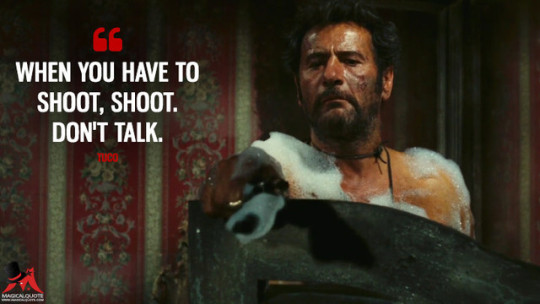
Image Credit: Tumblr
However, this power is not only in a woman’s silence. It is in her entire BE-ing. She carries it in her mortal frame—a representation of the Infinite, a portal to Her Divine Coven. Òrìṣà lobìnrin, ẹni a bá máa bọ ni wọ́n.
“Ó kù” nìbọn ń ró. There is more, but this is where I pause.
My journey into the mystery of Àjẹ́, and how they embody the power every woman carries, is still unfolding. I do not yet feel the release to unveil more than what has been whispered into my Orí tonight. Maybe there will be another post, maybe not. For now, I leave this as a marker—an imprint of my own beginning in their vast ocean—and a call to every woman to step into the Divine and reclaim the Àṣẹ that Olodumare has placed within her from the beginning of Time.
 The Global Tana
Leave a comment